disaster
Supporting Women’s Economic Recovery in Conflict-Affected Ethiopia
By World Bank ReliefWeb
· June 29, 2026
· 4 min read
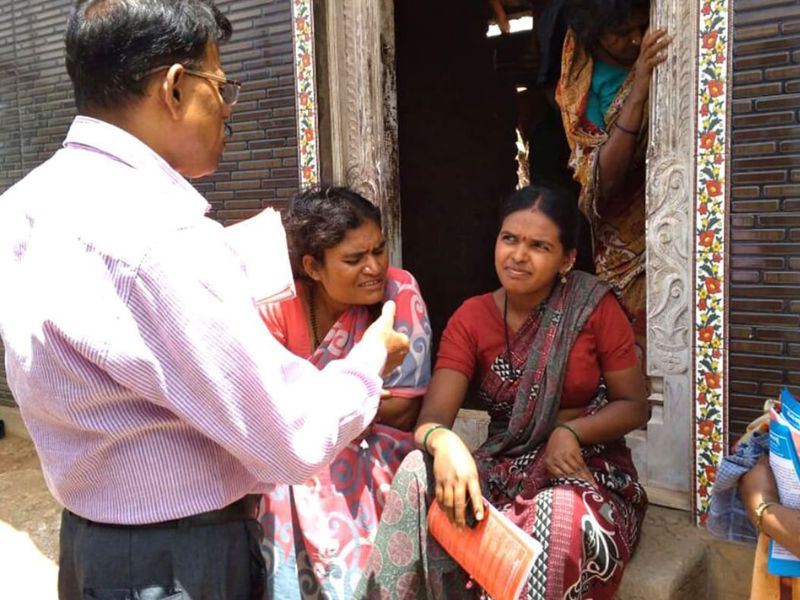
. Some walk long distances to collect water. Others gather firewood, prepare food, care for children, or tend to elderly relatives. By the time income-generating activities become possible, much of the day is already gone. When teams working under the World Bank-financed Response-Recovery-Resilience
Key takeaway Others gather firewood, prepare food, care for children, or tend to elderly relatives.
Why this matters
The World Bank's 3R4CACE project in Ethiopia highlights the critical role of understanding the specific challenges women face in conflict-affected areas when designing economic recovery initiatives. By recognizing the significant amount of time women spend on unpaid domestic labor, the project's approach to livelihoods programming shifted from solely focusing on profitability to considering the practical realities of women's lives. This nuanced understanding led to the identification of promising sectors such as livestock production and small-scale processing, which can be adapted to different regions. The project's findings underscore the need for tailored solutions that take into account the unique circumstances of each community, rather than relying on a one-size-fits-all model. As humanitarian organizations and donors seek to support women's economic recovery in conflict-affected areas, they would do well to follow a similar approach, prioritizing contextual understanding and flexibility in their programming.
About this story
Original reporting by ReliefWeb . Jesus Give surfaces reporting from trusted publishers and adds local editorial context so readers can quickly understand what a story means for their community. We attribute every source, link to the original report, and follow a documented editorial standards policy. To understand how stories are selected and reviewed, read our about page .
For the complete original report, visit ReliefWeb . Have a tip or correction? Contact our newsroom .
Category: disaster Published: June 29, 2026 Source: ReliefWeb Reading time: 4 min
Get more Jesus Give stories like this
Free weekly briefing covering disaster and other local news. Curated by our editorial team. No spam.
By subscribing you agree to our privacy policy . Unsubscribe anytime.
Frequently asked about this story
What is this story about? . Some walk long distances to collect water. Others gather firewood, prepare food, care for children, or tend to elderly relatives. By the time income-generating activities become possible, much of the day is already gone. When teams working under the World Bank-financed Response-Recovery-Resilience
When was this published? This article was first published on June 29, 2026 by ReliefWeb and curated for Jesus Give readers.
Who reported this story? This story was reported by World Bank at ReliefWeb. To learn more about how Jesus Give selects and reviews stories, see our editorial standards .
Where can I find related coverage? See more disaster coverage from Jesus Give, or browse our daily briefing and topic hubs .











![Afghanistan: UNAMA Statement on civilian casualties (29 June 2026) [EN/Dari/PS]](https://jesusgive.org/imgp?u=https%3A%2F%2Freliefweb.int%2Fsites%2Fdefault%2Ffiles%2Fstyles%2Fthumbnail%2Fpublic%2Fpreviews%2F86%2Fea%2F86ea54ce-2db0-4f96-bdee-100ef517ff59.png)

